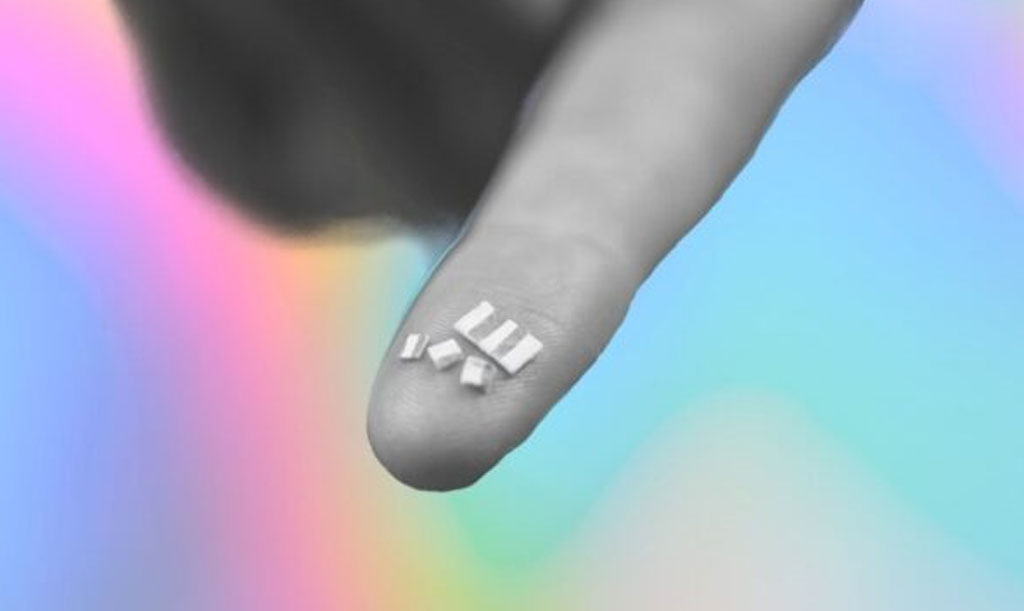
Over the past decade, increasing numbers of people have been extolling the benefits of microdosing. The premise is simple: taking small amounts of psychedelic substances in amounts that are “sub-perceptual” in order to fight depression and anxiety, or boost confidence and creativity. The trend seems to have first risen to prominence in the San Francisco area, and been adopted by Silicon Valley types before spreading to communities around the US and Europe.
The History Of Psychedelic Medicine

The medicinal use of psychedelics has ancient roots in shamanistic cultures and Greek rituals. The modern history began when Swiss chemist Albert Hoffman accidentally ingested and thus discovered LSD in 1943. He immediately sought to explore the therapeutic uses of the substance, a mission which eventually came to include a host of prominent psychologists including Dr. Stanislav Grof, Dr. Humphry Osmond and Dr. Abram Hoffer. Their research found that psychedelics had potential to treat a number of disorders, including alcoholism and depression.
In fact, Bill W., one of the founders of AA, participated in experiments and concluded that LSD “allowed him to re-experience a spontaneous spiritual experience he had had years before, which had enabled him to overcome his own alcoholism.” He later wrote to a friend about how it helped him with depression as well, declaring “I am certain that the LSD experiment has helped me very much. I find myself with a heightened colour perception and an appreciation of beauty almost destroyed by my years of depressions.” But by 1970 psychedelic substances became associated with the counterculture and were outlawed by governments around the world, with almost all research into their potential shut down.
The Renaissance
In the early 1990s, the American Food and Drug Administration began to ease restrictions on psychedelic research, and wealthy donors endowed the Heffter Foundation and Multidisciplinary Association for Psychedelic Studies (MAPS) with funds to promote and resume research. Influential studies on the use of ecstasy and psychedelics to help with depression, alcoholism and smoking cessation conducted by institutions like Johns Hopkins University Medical School and Imperial College London pushed the potential of psychedelics into mainstream discourse.
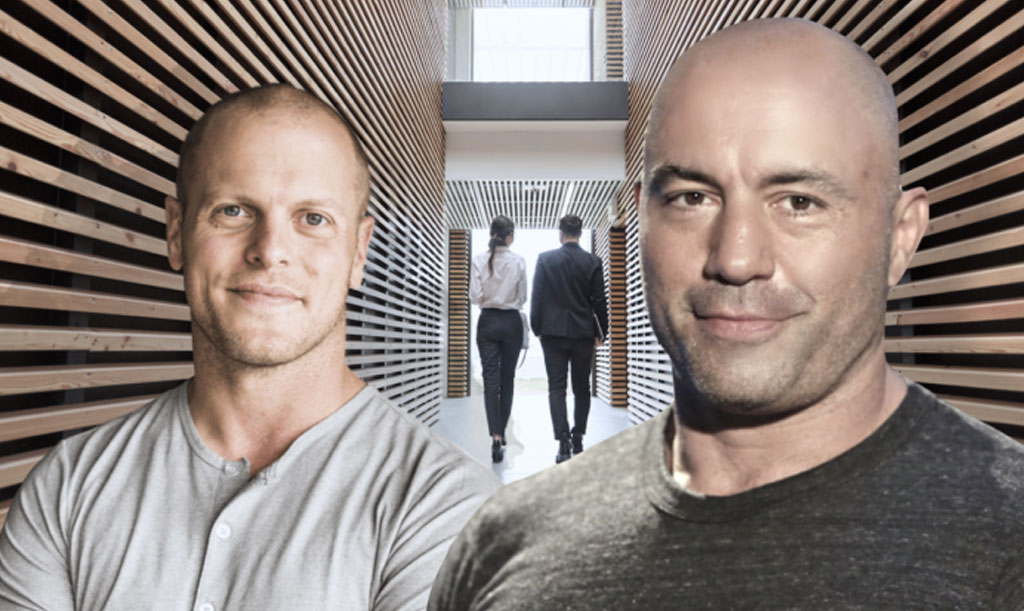
Johns Hopkins Medical School and Imperial College London both announced that they were opening centers specifically devoted to exploring the medical potential of psychedelics a few years ago. One of the drivers of the fundraising to endow these new laboratories was the popular American author, podcaster, and thinker Timothy Ferriss. Mr. Ferriss has deep personal connections to mental illness and addiction, in his words “It’s important to me for macro reasons but also deeply personal ones, I grew up on Long Island, and I lost my best friend to a fentanyl overdose. I have treatment-resistant depression and bipolar disorder in my family. And addiction. It became clear to me that you can do a lot in this field with very little money.”
Ferriss, fellow podcaster Joe Rogan, researcher and author Michael Pollan, and the author and law professor Ayelet Waldman are some of the most famous cultural figures who regularly tout the benefits of microdosing. Waldman’s story is even more personal. She was suffering from serious depression, and a variation of bi-polar disorder, which had proved resistant to treatment with SSRIs and mood stabilizers. While teaching a law school seminar on the War On Drugs, she came across literature concerning the therapeutic benefits of psilocybin. She eventually decided to experiment with microdosing.
As she writes “The effect was profound. The first day, I had been in a suicidal, intractable and hedonic depression, for what seemed like forever. Because when you’re depressed, you have very little capacity to remember when you weren’t depressed.” After a thirty day course of treatment where Ms. Waldman took 10 micrograms of LSD every three days, she had written the first draft of a book, “A Really Good Day”, which describes her journey in detail. As she states “I became convinced at the end of this experiment, that this was a drug that had all the therapeutic benefits that are promised by SSRIs, but I often say that if those anti-depressant commercials showed a fat person lying in bed not having sex, that would be a more accurate assessment of their effects than a happy lady skipping through a field of flowers. And I was a happy lady skipping through a field of flowers.”
Many tech company employees and CEOs also seem to be enamoured of the effects of microdosing. As Tim Ferriss remarked to CNN, “All the billionaires I know, without exception, consume hallucinogens on a regular basis. They are trying to think of the world differently, trying to be disruptive in their approach to psychedelic use.”
Perhaps the most influential voice in the renaissance of psychedelic medicine has been Dr. James Fadiman, who published the “Psychedelic Explorer’s Guide” in 2011. The book both explores the history of research into psychedelic medicine, the myths surrounding its benefits and risks, and also tries to establish safe guidelines for therapy and experimentation. Fadiman’s guidelines for microdosing are followed by many who pursue the treatment. He recommends that microdosers consume a dose twice a week for ten weeks, wait 3-4 days between doses,and use a journal to ensure that they remain mindful of their hopes, experiences, and outcomes.
The Future
Microdosing has attracted more attention than any other phenomenon related to psychedelic medicine. While studies are currently underway to determine the efficacy of the treatment, we’re probably a long way from seeing this form of therapy become broadly legal. At Tabula Rasa Retreat we are awaiting the results of all of these studies eagerly. We’re very excited about the scientific and medical establishments embracing treatments which could have far greater benefits than many of the chemical concoctions pushed on us by large pharmaceutical corporations. There has only been one paper published at this point on the potential benefits of microdosing ibogaine for addiction treatment, but we are ready to welcome any developments that help the addicted to heal. If you’re interested in using ibogaine to fight addiction or experience spiritual growth, get in touch today!
For further information visit www.tabularasaretreat.com or call PT +351 965 751 649 UK +44 7961 355 530