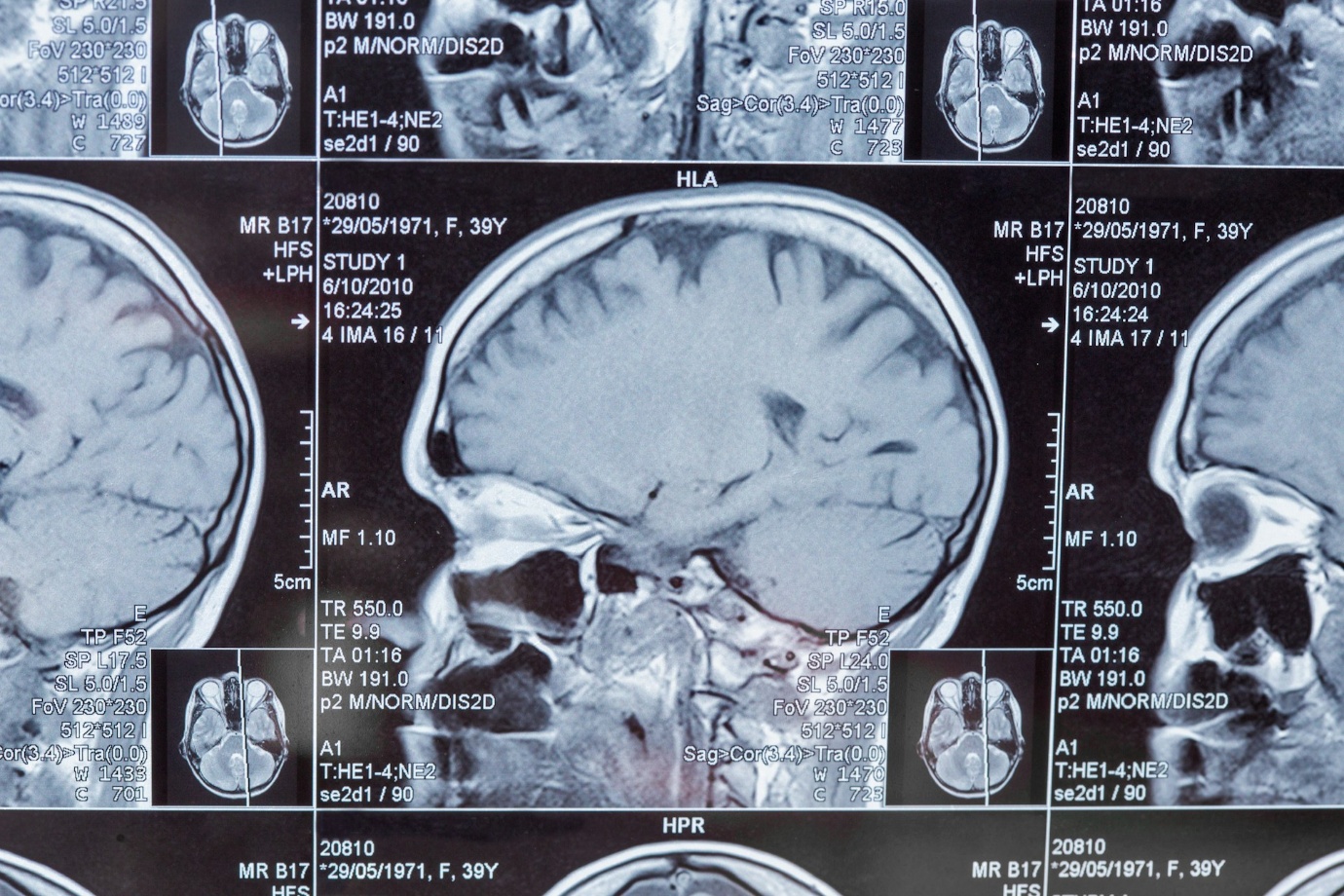
Ibogaine Treatment for Traumatic Brain Injury (TBI)
If you live with the after-effects of a concussion or blast injury, you already know problems with memory, sleep, mood, headaches, and a constant sense of being on edge can linger for months or years after the original event. For many people those mild traumatic brain injury symptoms blend into chronic stress, depression, or post-traumatic stress, and standard care does not always bring the relief they hoped for.
Over the past few years, veterans, first responders, athletes and civilians with persistent symptoms have started to talk publicly about ibogaine. Documentaries such as “In Waves and War”, news reports and research from Stanford University have put ibogaine on the map as a possible option for people living with traumatic brain injury and PTSD who have exhausted other routes.
At Tabula Rasa Retreat in Portugal, we work primarily with addiction, complex trauma and neurodegenerative conditions. Since 2016, a number of our guests have also carried a history of concussion or traumatic brain injury alongside these issues.
This article looks at what we currently know about ibogaine treatment for traumatic brain injury, where the science is promising, and why careful screening and medical supervision are absolutely non-negotiable.

What Is Mild Traumatic Brain Injury?
A traumatic brain injury happens when a blow, jolt or blast to the head disrupts normal brain function. A subcategory of traumatic brain injury often called concussion (mTBI), usually does not involve prolonged loss of consciousness or obvious structural damage on standard scans, yet it can still cause real and sometimes long-lasting difficulties.
Common traumatic brain injury symptoms include:
- Headaches, dizziness, light and sound sensitivity
- Brain fog, slowed thinking, memory problems
- Irritability, anxiety, low mood and emotional swings
- Sleep disturbance and fatigue
For many people these gradually settle with time, rest and rehabilitation. For others, particularly those with repeated injuries or combined psychological trauma, symptoms simply never fully clear. That is especially true for veterans exposed to blast waves, contact sports athletes, and people who have combined head injuries with addictions or high chronic stress.
Why Are People Exploring Ibogaine for Traumatic Brain Injury (TBI)?
Ibogaine is a naturally occurring psychoactive compound extracted from the root bark of the African shrub Tabernanthe iboga. It first came to attention through its effect on opioid withdrawal and addiction. Over time, clinicians and researchers also started to notice rapid shifts in mood, intrusive memories and sense of meaning after carefully supervised ibogaine sessions.
Several lines of research now suggest that ibogaine and related psychedelics may influence brain networks and cellular signalling involved in neuroprotection, inflammation and plasticity. Reviews of psychedelics in acquired brain injury describe changes at serotonin receptors, sigma-1 receptors and neurotrophic pathways that support the growth, survival and rewiring of neurons.
These findings have led some teams to frame ibogaine as a potential tool within a wider psychedelic neuroplasticity approach, where a single, intensive experience is combined with psychotherapy and rehabilitation to help the brain “re-learn” healthier patterns after trauma.

What Does the Science Say About Ibogaine And TBI?
The Stanford Ibogaine Protocol
The most widely discussed study so far is the Stanford ibogaine TBI study, also known as the MISTIC protocol, which combined ibogaine with magnesium in a group of thirty male Special Operations veterans with predominantly mild traumatic brain injury and co-occurring PTSD, depression and substance misuse.
Participants received a single high-dose session of ibogaine in a medically monitored clinic in Mexico, with magnesium used to help stabilise cardiac function. The treatment was delivered alongside complementary supportive therapies and follow-up.
The study reported:
- Significant improvement in overall functioning on the World Health Organization Disability Assessment Schedule
- Marked reductions in depression and PTSD scores
- Subjective reports of reduced cognitive fog, fewer headaches, better emotional regulation and renewed sense of purpose
Scientific American and Stanford Medicine both highlighted that many veterans described the experience as one of the first interventions that touched the root of their distress, rather than simply numbing symptoms.
What Might This Mean for Mild Traumatic Brain Injury?
For people with mTBI, the most relevant piece of the MISTIC findings is the improvement in everyday functioning and mood in a population whose injuries were mostly classified as mild. These are exactly the areas that often remain stubbornly impaired after concussion: the ability to think clearly, feel present, manage emotions and engage with work and relationships.
From a mechanistic point of view, ibogaine appears to:
- Modulate several neurotransmitter systems involved in arousal, mood and reward
- Influence neurotrophic factors linked to synaptic growth and repair
- Affect inflammatory signalling that may contribute to long-term secondary damage after brain injury
This is why some people talk about ibogaine for mild traumatic brain injury as a way of “resetting” disrupted networks while the person is held in an intensive therapeutic setting.

Safety First: Why Medically Supervised Ibogaine Matters
Ibogaine affects cardiac channels and can prolong the QT interval on the ECG, which increases the risk of dangerous arrhythmias, including torsades de pointes and cardiac arrest. Because of this, medically supervised ibogaine protocols such as ours build multiple layers of safety around the treatment, including:
- Comprehensive medical screening with a particular focus on cardiac risk
- Baseline and pre-treatment ECGs interpreted by experienced clinicians
- Correction of electrolyte imbalances, especially potassium and magnesium
- Continuous heart and vital signs monitoring during and after dosing
- ACLS-trained medical staff and emergency equipment on site
The magnesium ibogaine protocol used in the Stanford-linked study was designed precisely because of these cardiac risks; the prime reason being that magnesium stabilises cardiac repolarisation and may reduce the likelihood of arrhythmia, although it does not remove risk entirely.
If you are considering ibogaine anywhere in the world, it is essential to:
- Share your full medical history, including all head injuries and medications.
- Undergo proper cardiac and neurological assessment.
- Avoid any provider who dismisses heart risks or offers to treat you without adequate monitoring.
Ibogaine is a powerful tool that belongs in medically supervised settings only. It is not something to experiment with at home or in informal circles.
How Tabula Rasa Retreat Approaches Guests With mTBI
At Tabula Rasa Retreat we are an ibogaine clinic in Portugal that specialises in medically supervised ibogaine therapy for addiction, PTSD and related conditions. Our setting in rural Alentejo combines hospital-grade safety with a calm, nature-rich environment that supports deep psychological work.
Many of our guests have complex histories: long-term substance use, childhood trauma, combat trauma, repetitive concussions, or blast exposure. Some have formal diagnoses of mild traumatic brain injury from neurologists, while others recognise the picture once they learn more about it.
Careful Assessment and Screening
When a guest with a history of head injury applies to our programme, our team will typically:
- Take a detailed medical and neurological history, including concussion events, imaging and current symptoms
- Review existing neurology reports where available, and request further investigations when needed
- Evaluate cognitive function, mood and sleep as part of our pre-care assessment
- Carry out full cardiac screening, with on-site specialist monitoring and intervention where there is any doubt
We also discuss expectations openly. Ibogaine is not a magic cure for structural damage to the brain. What it may offer, in the right circumstances, is a chance to interrupt entrenched patterns and open a window for new learning, emotional processing and rehabilitation.
The Treatment Experience
For suitable candidates, ibogaine treatment takes place in a private medical suite, with continuous monitoring by our in-house doctor and nurses. Alongside the medicine itself, we integrate a holistic approach that treats the body as well as the mind.
Integration And Long-Term Recovery
Ibogaine is often described as compressing years of therapy into a night. In reality, the real work happens afterwards. For guests with a history of head injury, we strongly encourage:
- Ongoing psychotherapy or coaching with professionals who understand both trauma and mTBI
- Gradual return to exercise and cognitive load instead of “all or nothing” overexertion
- Sleep hygiene, stress reduction and structured routines that allow the brain to recover
- Follow-up medical care with neurologists and other specialists as needed
Where helpful, we may suggest that guests explore community resources, support groups and, in some cases, carefully structured mesodosing approaches through our partners, always within legal and ethical boundaries.
For those who want to follow the evolving science behind ibogaine and brain injury, our colleagues at Ibogenics maintain a focus on research, mechanism and clinical development, and can be a useful resource for staying up to date with trials and safety data.
A Trauma-Informed Next Step
If you are curious about ibogaine treatment for mTBI or TBI, the first step is not to book a flight. It is to have an honest conversation with experienced professionals about your medical history, mental health, goals and support network.
At Tabula Rasa Retreat, we begin every enquiry with a thorough intake process, medical review and transparent discussion of risks and benefits. We see every guest as the hero of their own journey, not as a passive recipient of a miracle cure.
If you would like to explore whether our programme may be appropriate for your situation, you can learn more about our medically supervised ibogaine treatment centre and our location in rural Alentejo, or read more about ibogaine for veterans with PTSD and TBI in our article “In Waves and War: Ibogaine Therapy for Veterans with PTSD and TBI in Portugal”.
If what you have read here resonates, you are welcome to contact us for a confidential consultation. Together we can explore whether ibogaine treatment for traumatic brain injury could be one part of a broader, holistic plan for your healing.