mTBI
mTBI
A Different Path for Mild Traumatic Brain Injury (mTBI) Symptoms That Persist
A mild traumatic brain injury can be “mild” only on paper. If you are stuck with brain fog, mood changes, poor sleep, headaches, or a nervous system that feels permanently on edge, you deserve a serious, medically grounded option.
At Tabula Rasa Retreat, ibogaine treatment for mTBI is delivered in a fully monitored setting, supported by trauma-informed care and structured aftercare.
mTBI Is Common Outside the Military
Most brain injuries do not happen only in military combat. Concussions and mild head injuries commonly follow falls, road accidents, assaults, and everyday impacts.
For athletes and active people, it can be sport, training accidents, cycling crashes, or repeat sub-concussive knocks that add up over time.

When Symptoms Linger
Many people feel “mostly fine” within days or weeks. Others develop persistent post- concussion symptoms that can disrupt work, relationships, and confidence in your own mind. Symptoms often include headaches, sensitivity to light or noise, dizziness, fatigue, irritability, low mood, and problems with attention and memory.
When this becomes post-concussion syndrome, it is not just uncomfortable, it can be identity- shaking: you look the same, but you do not feel the same.
Why Ibogaine Is Well Suited To mTBI Recovery
The most useful way to understand ibogaine treatment for mTBI is through brain systems, not labels. mTBI can involve disrupted signalling, stress circuitry stuck in high alert, and a brain trying to compensate while still inflamed and overworked.
Ibogaine and its metabolite noribogaine interact with multiple neurochemical systems linked to mood, cognition, and regulation, including serotonergic, glutamatergic, opioid, and sigma- related pathways.
Neuroplasticity: A Window for Repatterning
In preclinical research, ibogaine-related compounds have been associated with neurotrophic signallingv and structural changes consistent with increased neuroplasticity.
In plain terms, this may create a window where the brain is more able to revise rigid loops, update threat responses, and re-learn steadier patterns, especially when paired with the right therapeutic support.
Neuroinflammation: Calming The Background Noise
A growing body of scientific discussion around psychedelics and acquired brain injury focuses on mechanisms linked to neuroinflammation, neurotrophic signalling, and network- level recovery.
For some people, that translates to less internal “static” and more capacity to sleep, focus, and emotionally regulate.
What Clinical Reporting Has Observed
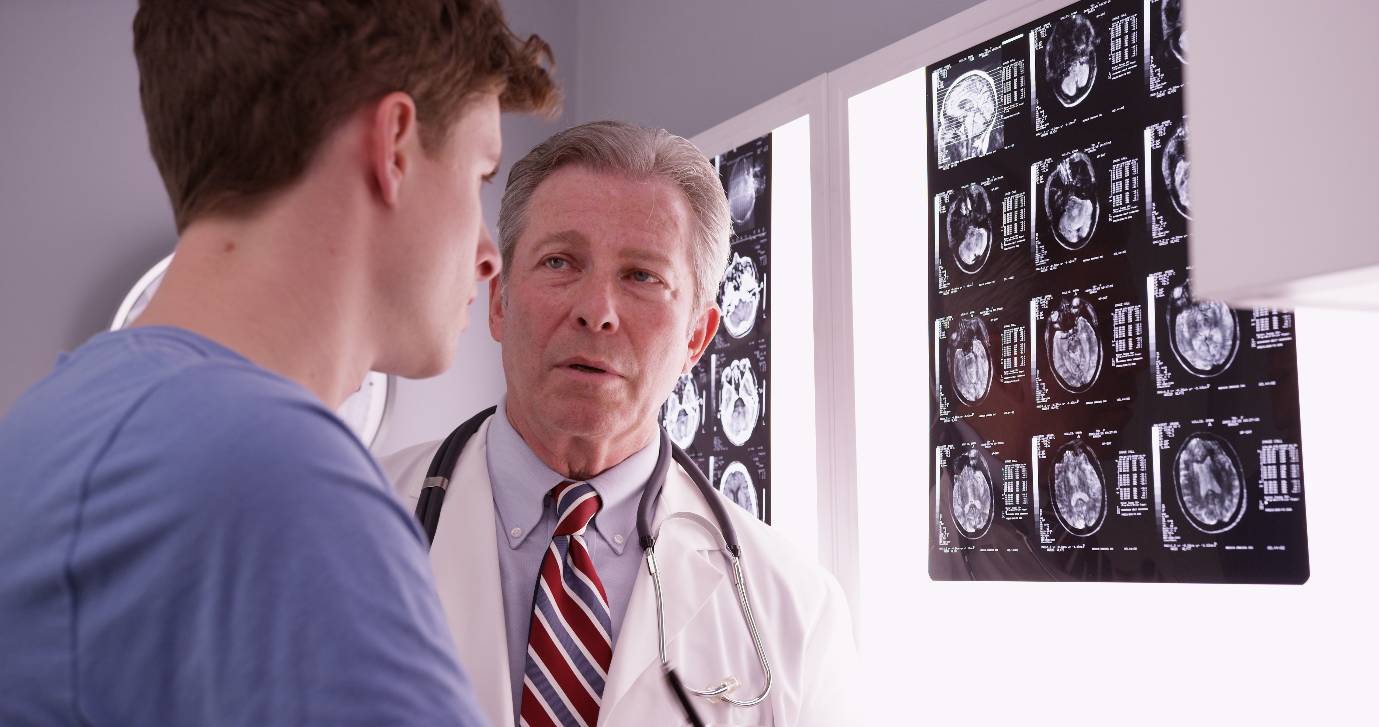
A prospective observational study of a monitored ibogaine protocol in participants with predominantly mild TBI reported meaningful improvements in disability and mental health measures, sustained at one month.
While the participant group was military, the underlying mTBI symptom patterns (cognitive strain, mood disruption, nervous system overload) are widely seen in civilians too.
How Treatment Works At Tabula Rasa Retreat
Your experience here is not “dose and hope”. It is a structured, supportive pathway:
- Apply first so we can review your history, symptoms, and medications.
- Preparation to reduce risk and set your nervous system up for the best outcome.
- Monitored treatment: medically supervised ibogaine treatment with clinical oversight and continuous monitoring.
- Integration and long-term support.
This is why people travel to our ibogaine clinic in Portugal: safe structure, experienced care, and a real plan for what happens after.
If you are not ready to apply yet, take your time exploring our PDF on mTBI or other resources. And whatever you decide, remember: you do not have to navigate this alone.